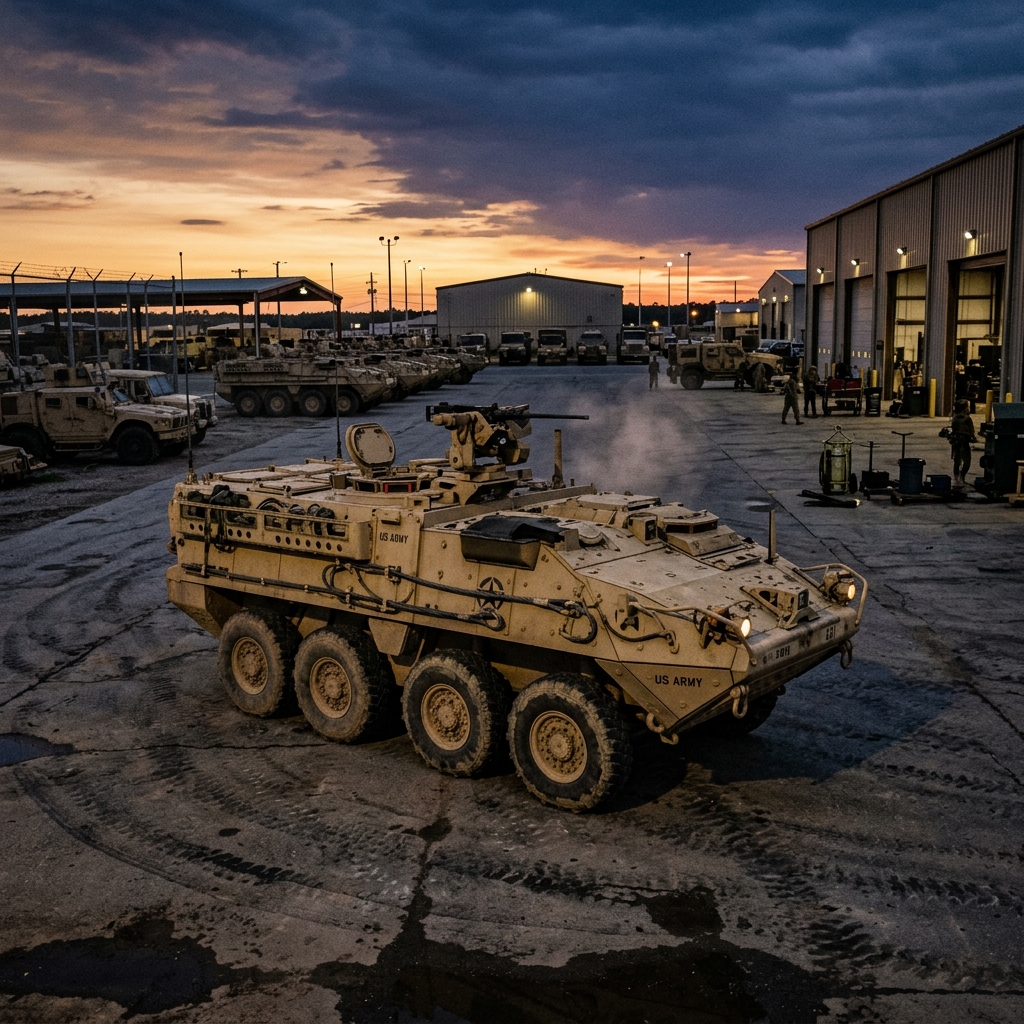
Stryker Wheel Maintenance and Run-FlatTire Support
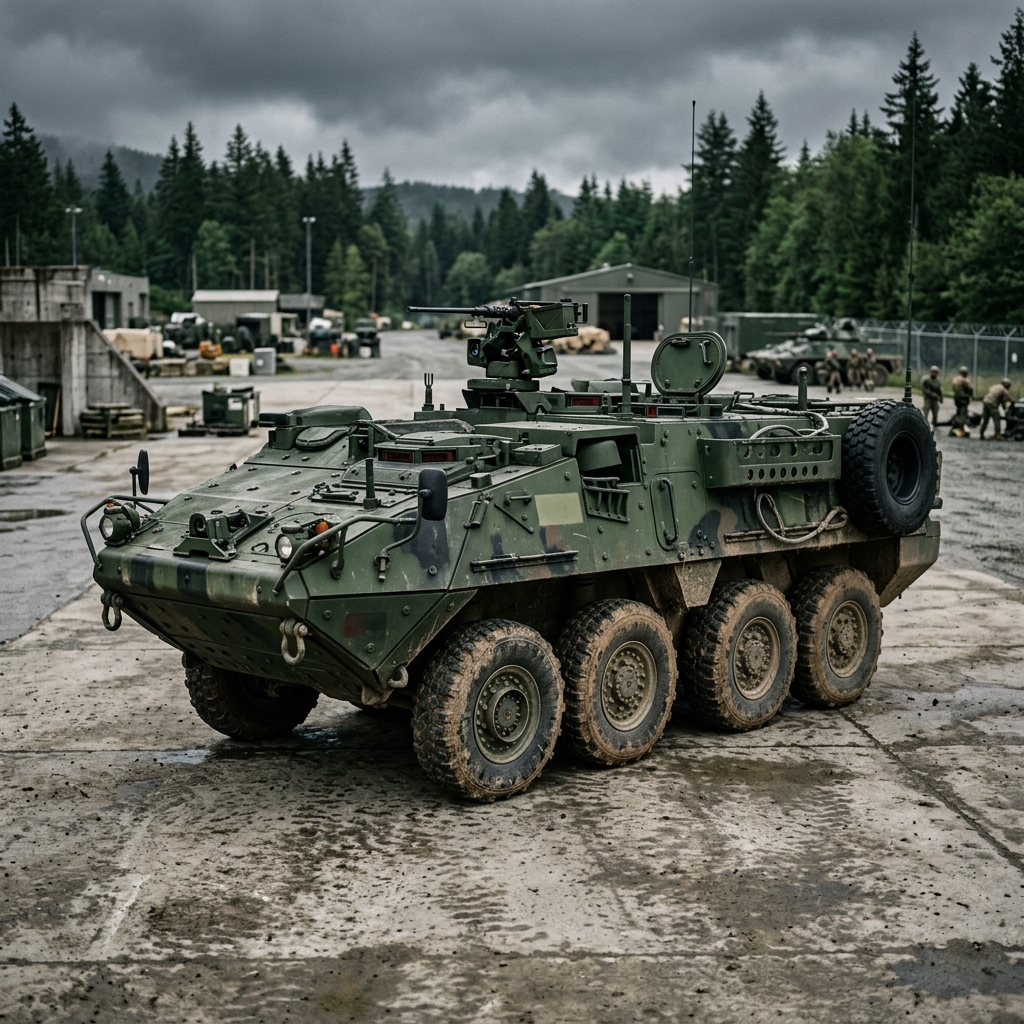
The Stryker 8×8 armored combat vehicle demands disciplined wheel and tire maintenance to protect fleet readiness. GM Operation supports Stryker sustainment with run-flat tire changing capability.
Why Stryker Wheel Maintenance Demands a Disciplined Approach
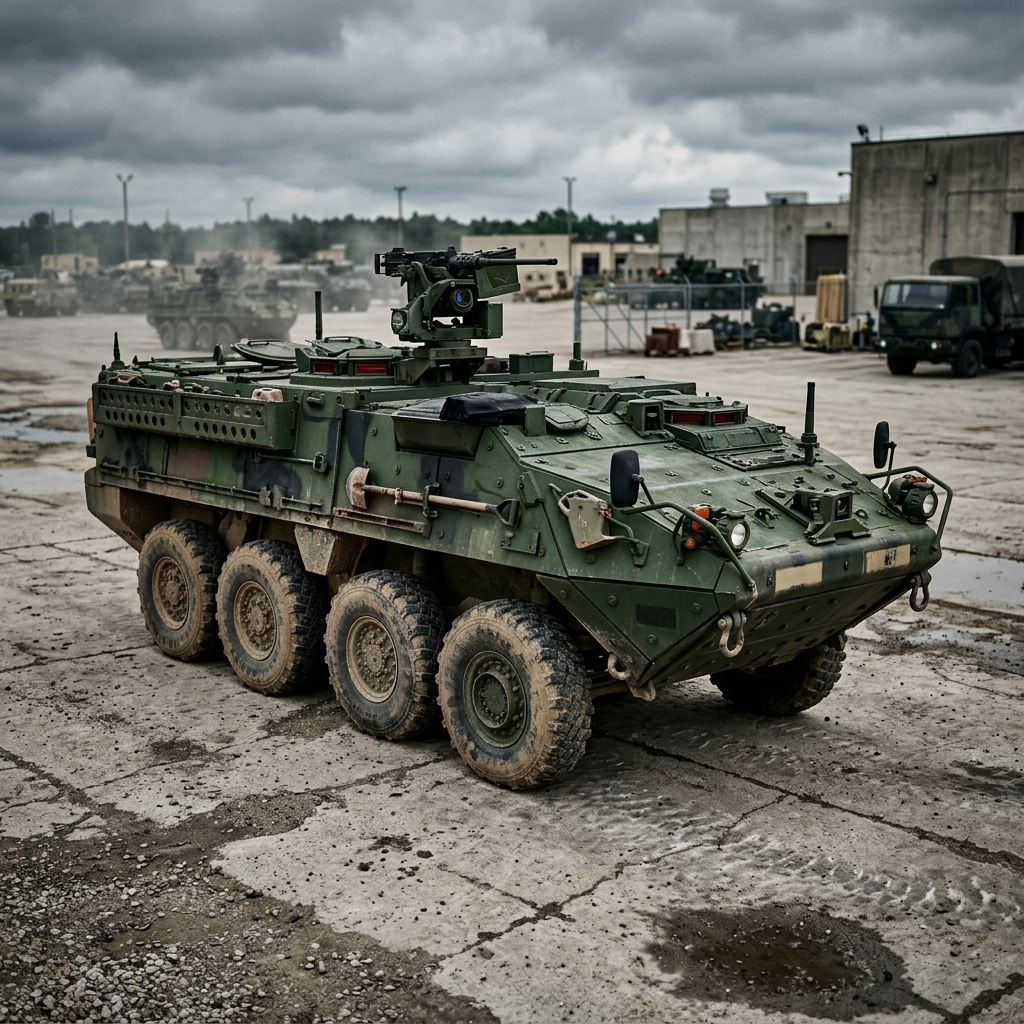
The Stryker Interim Armored Vehicle is an 8-wheeled combat platform central to Brigade Combat Team (BCT) operations. With eight wheels per vehicle and high operational tempo, Stryker units generate substantial tire maintenance demand.
Each Stryker wheel assembly includes a tire, rim, and run-flat insert system that enables continued mobility after tire damage. Maintaining these assemblies requires equipment capable of handling military-grade tires and controlled run-flat insert removal — especially at the volume and pace that Stryker brigade operations demand. GM Operation machines provide the hydraulic, safety-shielded capability needed for this mission.
8-Wheel Configuration
Each Stryker has 8 wheel positions. Fleet maintenance multiplies quickly across brigade-level vehicle counts.
Run-Flat Insert Service
Stryker run-flat inserts require controlled extraction. Improvised methods risk insert damage and maintainer safety.
High-Value Asset
Stryker is a high-value combat system. Extended maintenance downtime directly impacts combat power and readiness.
Operational Tempo
Stryker BCTs operate at high tempo. Tire maintenance must keep pace with training and deployment cycles.
Stryker Tire, Rim, and Run-Flat Insert Reference
Technical reference data for Stryker tire assemblies. Verify all specifications before procurement or maintenance operations.
| Parameter | Specification |
|---|---|
| Vehicle Platform | Stryker ICV / Family of Vehicles |
| Common Variants | M1126 ICV, M1128 MGS, M1130, M1131, M1132, M1133, M1134, M1135 |
| Tire Size | [INSERT VERIFIED TIRE SIZE] |
| Rim Size | [INSERT VERIFIED RIM SIZE] |
| Rim Type | [INSERT VERIFIED RIM TYPE] |
| Run-Flat Insert | [INSERT VERIFIED RUN-FLAT INSERT TYPE] |
| Axle Configuration | 8×8 independent suspension |
| Wheels per Vehicle | 8 |
Stryker Run-Flat Tire Maintenance Workflow
High-level operational workflow for run-flat tire servicing. Equipment-specific procedures require GM Operation operating manuals.
Wheel Removal
Remove wheel assembly from Stryker using approved procedures and unit-level maintenance equipment.
Bead Break & Disassembly
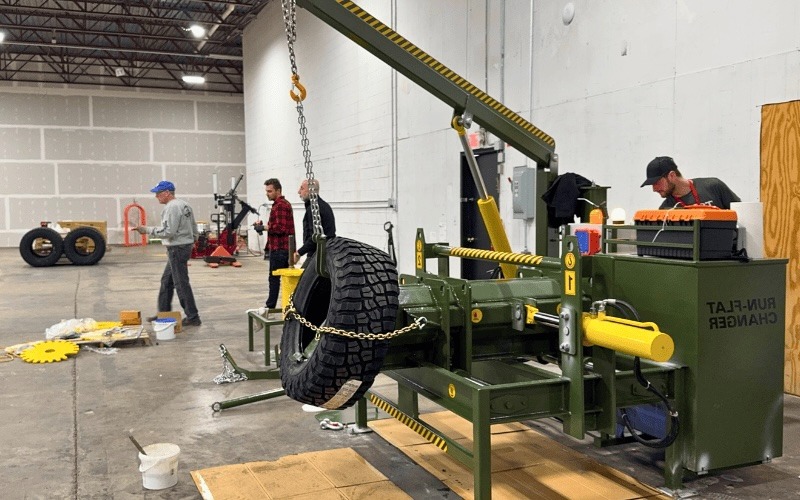
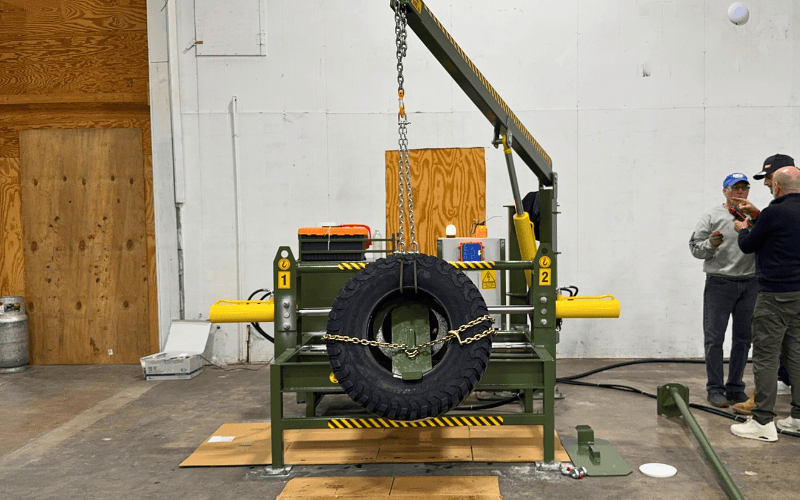
Mount on GM Operation machine. Hydraulic bead break and controlled tire/rim separation.
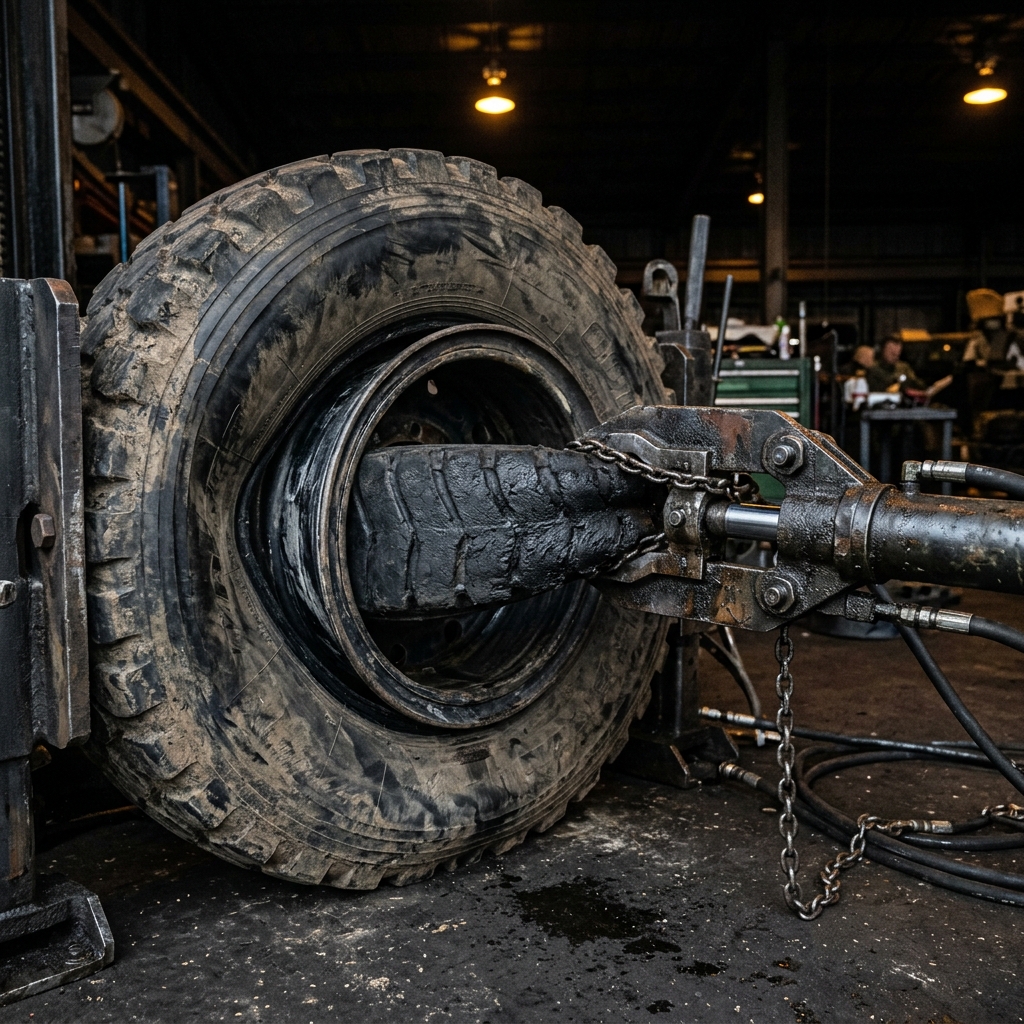
Run-Flat Inspection
Extract run-flat insert. Inspect for wear, damage, or deformation. Replace or recondition as required.
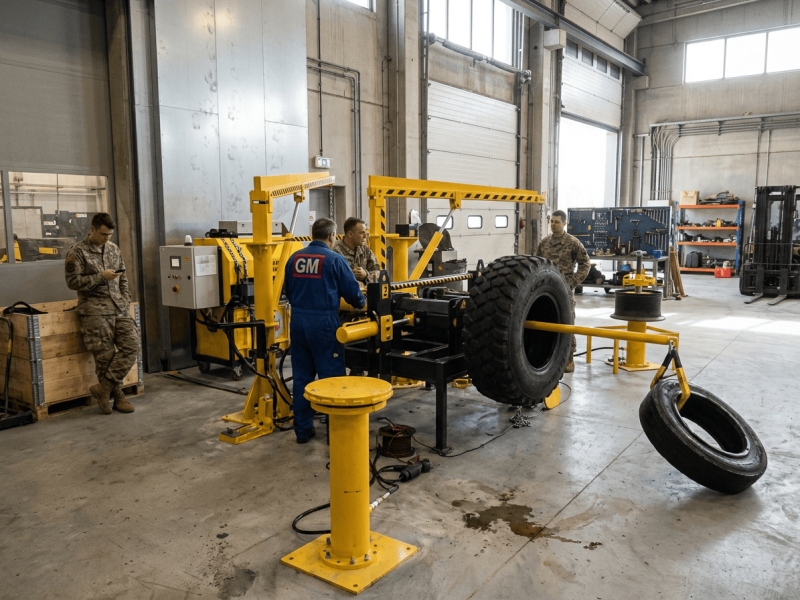
Reassembly & Return
Reassemble assembly. Verify torque, inflation, and run-flat seating. Return to vehicle or ready rack.
Validate Stryker Compatibility
Check if your Stryker tire assembly is compatible with GM Operation run-flat tire changing machines.
Recommended GM Operation Configuration for Stryker
Stryker fleets benefit from Workshop installations at home station depots and Container or Trailer configurations for deployed, rotational, and field training environments.
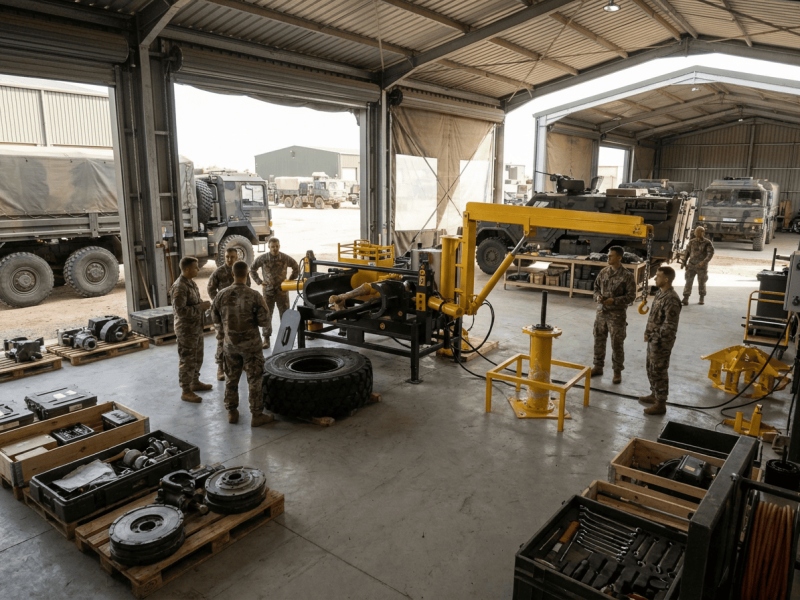
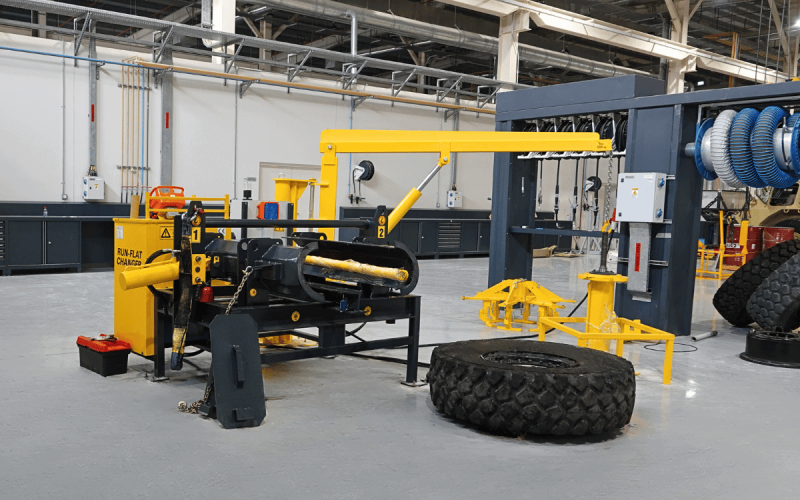 Workshop
 Workshop Model
Depot-level installation for Stryker brigade support. Handles the volume and pace required by 8-wheeled combat vehicle fleet maintenance.
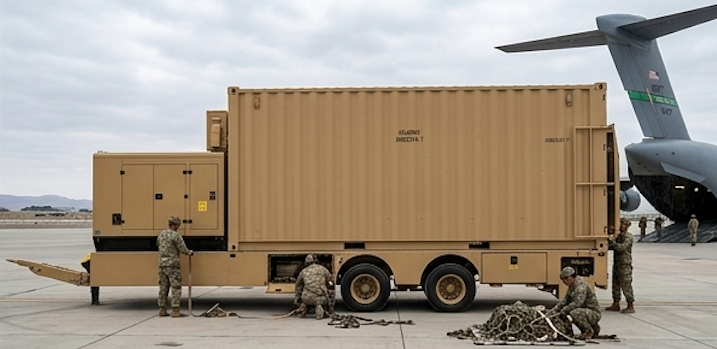
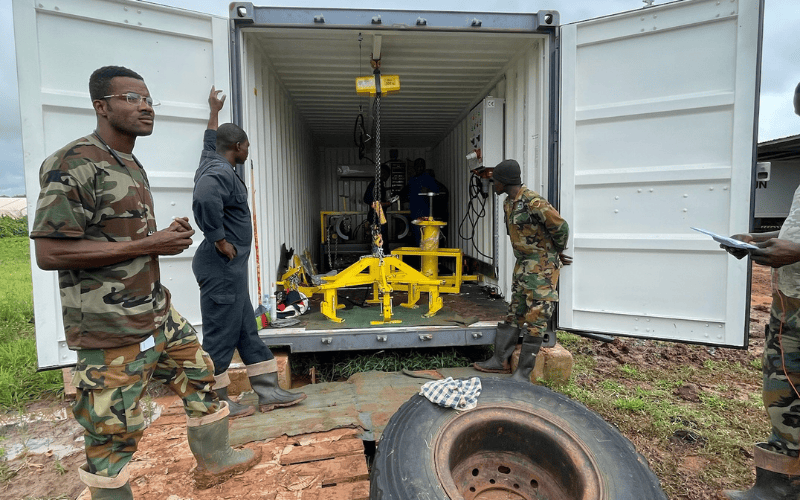 Container
 Container Model
Deployable field workshop for Stryker tire maintenance at training areas, NTC rotations, and deployed operational environments.
 Trailer
 Trailer Model
Mobile tire service for Stryker recovery and field maintenance teams requiring rapid deployment to vehicle locations.
Stryker Depot vs. Field Maintenance Support
Home Station / Depot
Fixed Stryker tire maintenance at brigade motor pools, depot facilities, and contractor support sites. Workshop Model provides the throughput for 8-wheel fleet servicing at scale.
- Workshop Model — primary for home station
- Brigade-level fleet support
- Scheduled maintenance integration
- Full QC and inspection
- Ready rack and spare management
Deployed / Field Operations
Container or Trailer deployment for Stryker tire maintenance during NTC/JRTC rotations, exercises, and operational deployments where fixed workshops are unavailable.
- Container for semi-permanent field sites
- Trailer for mobile recovery teams
- NTC/JRTC rotation support
- Forward maintenance area integration
- Rapid setup and teardown
Stryker Compatibility Review Requirements
Provide these data points when requesting a compatibility review for Stryker platforms.
Why Stryker Maintenance Justifies Specialized Equipment
8-Wheel Multiplier
Eight wheels per vehicle multiplied across a Stryker brigade creates substantial tire maintenance volume that justifies dedicated equipment.
Combat Power Protection
Stryker vehicles are high-value combat systems. Faster tire turnaround directly protects brigade combat power and operational readiness.
Sustainment Integration
Run-flat tire changing capability integrates into existing maintenance workflows, RESET programs, and sustainment contracts.
Training Cycle Support
NTC/JRTC rotations and field training exercises generate surge tire maintenance demand. Deployable capability meets this peak.
Maintainer Safety
Hydraulic equipment protects maintainers from injury risks associated with heavy military tire and run-flat insert handling.
Cost Efficiency
Reduced labor hours per assembly, lower injury rates, and extended insert life contribute to favorable lifecycle cost outcomes.
Related Resources & Tools
Stryker Run-Flat Maintenance — Frequently Asked Questions
Validate Your Stryker Run-Flat Tire Maintenance Requirement
Validate your Stryker run-flat tire maintenance requirement. GM Operation provides NATO-compatible, NSN-assigned run-flat tire changing machines for depot and field operations.